EUR
EUR USD
USD JPY
JPY GBP
GBP CNY
CNY7 Everyday Outlet Safety Risks You Probably Don’t Think About

Wall outlets are easy to overlook. They sit quietly behind furniture, beside beds, and along the walls of kitchens and living rooms, doing the same job every day. Because they seem so ordinary, it is easy to miss the small habits and conditions that can create avoidable electrical risks.
Here are seven everyday situations worth checking. The goal is not to make your home feel dangerous, but to help you spot potential problems early and build safer habits.
1. Curious Children Exploring at Outlet Height
Young children naturally explore their surroundings, and a wall outlet can attract attention because it is low, visible, and easy to reach.
Keep small objects away from outlets and use properly installed tamper-resistant receptacles where required or appropriate. Supervision and a safe home setup remain important—no single feature eliminates every risk.
2. Plugs That Fit Loosely
A plug that slips out easily or feels unusually loose may indicate wear or damage. A poor connection can contribute to heat buildup.
Avoid repeatedly bending or wedging a plug to keep it in place. If an outlet no longer holds plugs securely, ask a qualified electrician to assess it.
3. Frayed Cords and Damaged Plugs
Cracked insulation, exposed wires, bent prongs, scorch marks, or damaged plugs should not be ignored.
Stop using the affected item and replace or repair it appropriately. Covering damage with tape and continuing to use a cord is not a reliable solution.
4. Too Many Devices Drawing Power From One Outlet
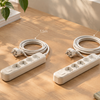
Power strips and adapters make it convenient to connect several devices, but convenience does not increase the capacity of an electrical circuit.
Check the ratings of the outlet, power strip, and connected devices. Avoid connecting power strips in a chain. If a plug, outlet, or adapter becomes unusually warm, stop using it and investigate the cause.
5. Cords Hidden Under Rugs or Trapped Behind Furniture
Cords can be crushed by heavy furniture, damaged by repeated bending, or overlooked when they run beneath rugs and through walkways.
Route cables where they are less likely to be pinched, walked on, or pulled. Leave enough space around plugs to avoid putting strain on the connection.
6. Reaching for an Outlet in Low Light
At night, it can be harder to see where a plug is going, notice a damaged cord, or tell whether a connection is secure.
This can matter around beds, desks, and living-room furniture, especially when someone is tired or moving through a room without turning on the main lights. Keep frequently used outlets accessible and make sure pathways are adequately lit.
7. Treating Warning Signs as Normal
Burning smells, buzzing or crackling sounds, discoloration, sparks, repeated circuit trips, or unusual heat can signal an electrical problem.
Stop using the outlet if it is safe to do so, disconnect power when appropriate, and contact a qualified electrician. Do not remove an outlet cover or attempt electrical repairs unless you are qualified to do so.

A Practical Outlet-Safety Check
Take a few minutes to look at the outlets you use most often—in bedrooms, living rooms, kitchens, and work areas.
Check for damage, loose plugs, strained cords, signs of heat, and blocked access. Make sure electrical products are used according to their instructions and ratings, and consult a qualified electrician whenever you notice something unusual.
Safer Habits Start With Noticing
Most outlet-safety checks are straightforward. Keep cords in good condition, avoid overloading connections, pay attention to warning signs, and seek professional help when something seems wrong.
A little attention to everyday details can help reduce risk without turning ordinary home life into a constant checklist.
Keep outlets and cords in good condition, avoid overloading, maintain clear and well-lit access, and treat unusual heat, noise, smells, or visible damage as warning signs.
-
Publicado en
outlet safety risks, radar guard, wall outlet safety