EUR
EUR USD
USD JPY
JPY GBP
GBP CNY
CNYWhy Wall Outlet Placement Matters More Than You Think
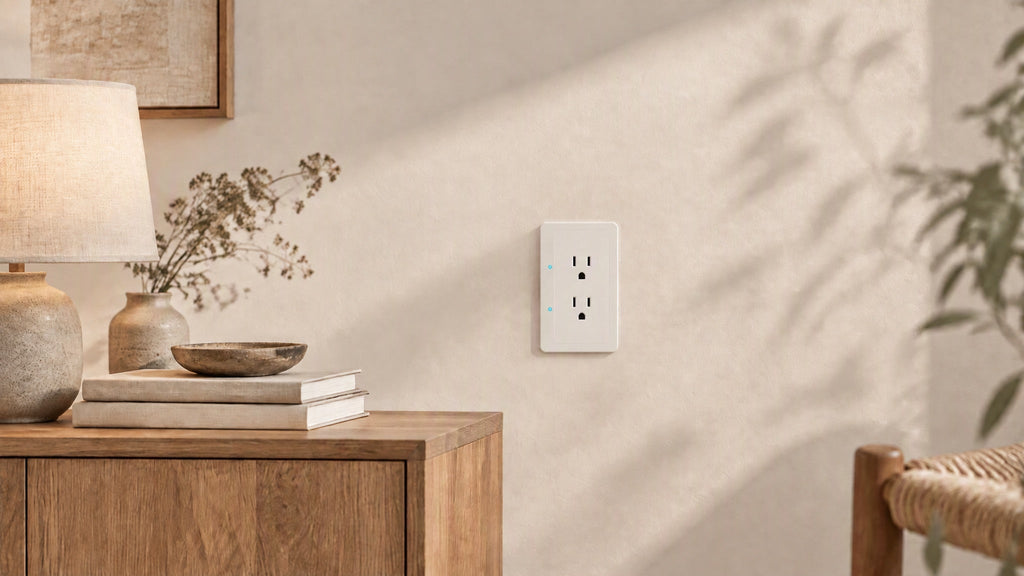
Wall outlets are one of the most frequently used parts of a home, yet they are usually noticed only when something goes wrong: the outlet is hidden behind furniture, a charging cable cannot reach the bed, or an extension cord has to cross the floor.
That makes wall outlet placement more important than it first appears. Where an outlet sits can influence furniture layout, cable management, charging habits, workspace comfort, and how naturally electrical devices fit into everyday life.
As homes fill with more connected devices, rethinking electrical outlet placement and design is becoming less about adding more sockets and more about putting power where people actually need it.
Good outlet placement reduces the need for extension cords, keeps cables away from walkways, makes frequently used devices easier to reach, and allows furniture to be arranged around the room rather than around the electrical system.
Why Wall Outlet Placement Matters
Most people do not think about electrical outlets when a room is working well. They notice them when the room stops working around them.
A desk may need to sit against one particular wall because that is where the power is. A bedside table may end up covered with extension cords because the nearest outlet is hidden behind the bed. A lamp cable may stretch across a walkway because the socket is on the wrong side of the room.
Each problem seems small, but they all come from the same issue: the electrical layout no longer matches the way the room is being used.
Good wall outlet design therefore starts with a simple question:
Where will people actually need power?
Common Problems With Poor Outlet Placement
Poor outlet placement often becomes obvious only after furniture, appliances, and everyday routines are already in place.
Some of the most common problems include:
- Outlets hidden behind sofas, beds, cabinets, or other furniture
- Charging cables stretched across walkways
- Desks located too far from a convenient power source
- Too few accessible outlets near beds or workspaces
- Extension cords becoming permanent rather than temporary solutions
- Furniture layouts being limited by the location of electrical outlets
- Frequently used sockets being difficult to reach
None of these problems is dramatic on its own. The problem is repetition. Reaching behind furniture, moving cables, or working around an inconvenient outlet becomes part of the room every day.
How Modern Homes Have Changed the Way We Use Wall Outlets
The role of a room is rarely fixed anymore.
A spare bedroom becomes a home office. A dining table becomes a workstation. A nursery eventually becomes a child's bedroom. A living room gains more chargers, speakers, lighting, entertainment devices, and connected products over time.
The number of devices has changed too. Phones, tablets, laptops, smartwatches, lamps, speakers, monitors, cameras, appliances, and other electronics all compete for convenient access to power.
Electrical outlets, however, are usually fixed in the same place for decades.
This creates a mismatch between permanent infrastructure and changing routines.
Good home design has to account for that change rather than assuming that a room will always be used exactly as it was on the day it was built.

What Makes a Well-Designed Wall Outlet?
A good wall outlet does not need to be complicated.
It needs to work naturally with the room around it.
That usually means thinking about several factors together:
- Placement: Is power available where people actually use devices?
- Accessibility: Can the outlet be reached without moving furniture?
- Cable path: Can devices connect without cords crossing walking areas?
- Visibility: Should the outlet disappear into the room or remain easy to see and access?
- Changing routines: Will the location still make sense if the room is used differently later?
- Interaction: Is it obvious and convenient to use in everyday situations?
The outlet itself is only one part of the experience. The relationship between the outlet, the room, the furniture, the device, and the person using it matters just as much.
Wall Outlet Placement in Different Rooms
Different spaces create different power needs. Thinking about the routine of each room can make outlet placement more practical.
Home Office
Desk outlets should support monitors, laptop chargers, lighting, accessories, and charging without forcing cables across the main workspace or floor. Accessible power near the desk can also reduce reliance on long extension cords.
Bedroom
Outlets near bedside areas are commonly used for lamps, phones, watches, and other small devices. Placement should take the position of the bed and bedside furniture into account so frequently used sockets do not end up permanently blocked.
Living Room
Televisions, speakers, lamps, chargers, and occasional devices can create several different power zones. Furniture placement matters because large pieces such as sofas and entertainment units can easily make outlets inaccessible.
Kitchen
Kitchen outlets support devices that are often used briefly and then stored away. Convenient access matters because appliances should be able to reach power without creating unnecessary cable paths across active work surfaces.
Good Outlet Design Can Reduce Cable Clutter
Cable clutter is often treated as a cable-management problem, but sometimes the cable is only responding to poor power placement.
If the outlet is too far away, the cable becomes longer. If the outlet is hidden, an extension becomes necessary. If several devices need power in the same location, adapters and power strips begin to accumulate.
Better cable management can improve the result, but thoughtful outlet placement reduces the problem at its source.
This is an important distinction: sometimes the cleanest cable is the cable that never needed to cross the room in the first place.
Should Wall Outlets Be Hidden?
Traditional electrical design often treats outlets as objects that should disappear.
Sometimes that makes sense. An outlet behind a fixed television or appliance may not need to be visually prominent.
But an outlet used every day is different.
If people regularly connect and disconnect chargers, lamps, computers, or other devices, hiding the outlet can make the interaction less convenient rather than more elegant.
The better question is not whether every outlet should be hidden.
It is whether its visibility matches the way it is used.
Why Everyday Electrical Design Deserves More Attention
Wall outlets are unusual objects because they sit at the intersection of architecture, electrical infrastructure, product design, and everyday behavior.
They may remain in the same location for decades while everything around them changes.
That makes them easy to accept without questioning.
But familiarity is not the same thing as good design.
Rethinking an ordinary object does not necessarily mean adding more technology. Sometimes it means making the object easier to reach, easier to understand, more appropriate to the environment around it, or more responsive to how people actually live.
The goal should not be technology for its own sake.
It should be reducing small pieces of friction that people have learned to work around.
A More Considered Everyday Home
The most meaningful improvements in a home are not always the most visible.
A better-positioned outlet will probably never become the centerpiece of a room. But it may eliminate an extension cord, free a desk from unnecessary cables, make a bedside charger easier to reach, or allow furniture to sit where it actually belongs.
Those are small improvements.
But homes are made from thousands of small interactions repeated every day.
If we were designing the electrical interface of the home today around the way people actually live, work, charge, and move through a room, it is worth asking whether we would design it exactly the same way.
Frequently Asked Questions
Why does wall outlet placement matter?
Wall outlet placement affects furniture layout, cable length, access to power, and whether extension cords are needed. Good placement puts power close to the places where devices are actually used.
What is the best place for wall outlets?
There is no single best position for every room. Outlet placement should reflect furniture layout, frequently used devices, walking areas, and how the room is expected to be used.
Should electrical outlets be hidden behind furniture?
Outlets that serve permanently installed equipment may work well behind furniture, but outlets that are plugged and unplugged frequently are generally more convenient when they remain accessible.
Can poor outlet placement cause cable clutter?
Yes. When outlets are too far from devices or difficult to access, people often rely on longer cables, extension cords, adapters, and power strips. Better placement can reduce some of that clutter at the source.
What makes a wall outlet well designed?
A well-designed outlet fits the way the room is used. Placement, accessibility, cable paths, visibility, and compatibility with everyday routines all contribute to the overall experience.
Why are wall outlets worth rethinking?
Homes and devices have changed significantly while electrical outlets often remain fixed for decades. Rethinking how people access and interact with power can help reduce everyday friction without making the experience unnecessarily complicated.
Wall outlet design is not only about putting electricity into a room. It is about putting power where everyday life actually happens. The best improvements often begin with ordinary things we have stopped noticing.