
 EUR
EUR USD
USD JPY
JPY GBP
GBP CNY
CNY5 Coffee Hacks to Keep Your Morning Cup Perfect (Without a Smart Mug)
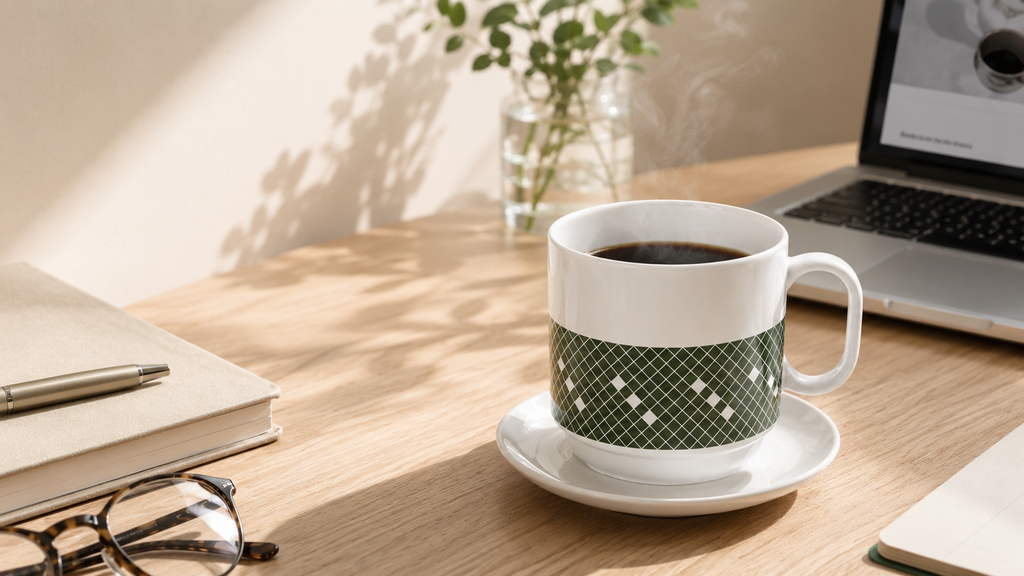
You brew a fresh cup of coffee, sit down at your desk, and open your laptop. A meeting begins, an email arrives, or you become absorbed in your work. When you finally reach for the mug again, the coffee is lukewarm and the flavor you enjoyed in the first sip has started to fade.
If that sounds familiar, you are not alone. For many coffee drinkers, making good coffee is not the difficult part. The real challenge is keeping it warm long enough to enjoy it at a comfortable pace.
Before investing in another appliance, try these five simple habits. They are inexpensive, easy to add to your routine, and can help slow the natural heat loss that occurs after coffee is poured.
1. Preheat Your Mug
One of the largest temperature drops can happen before you take the first sip.
When hot coffee is poured into a room-temperature ceramic mug, the mug immediately absorbs some of the heat. Instead of staying in the drink, that heat is used to warm the cup itself.
Before brewing, fill your mug with hot water and leave it for about 30 seconds. Empty the water immediately before pouring in the coffee.
Because the ceramic is already warm, it absorbs less heat from the fresh brew. This simple step can help your coffee remain warmer for longer.
2. Cover the Mug Between Sips
Heat does not escape only through the sides of the mug. The open surface of the coffee is also an important source of heat loss.
As steam rises, evaporation carries heat away from the drink. The longer coffee remains uncovered, the faster it can cool.
A ceramic lid, reusable mug cover, small saucer, or clean coaster placed over the top can help reduce evaporation while you are working or between sips.
The mug does not need to be completely sealed. The goal is simply to slow heat loss from the exposed surface.
3. Pour Smaller Servings
A large mug may seem more convenient, but it often leaves more coffee sitting untouched for a longer period of time.
Instead of pouring one oversized serving, try pouring a smaller amount and refilling the mug when you are ready for more.
Each serving begins closer to its ideal drinking temperature, helping the coffee feel fresher from the first sip to the last.
If you use a drip machine, pour-over setup, or French press, keep the remaining coffee in an insulated carafe whenever possible until you are ready to refill.
4. Keep Your Mug Away from Cold Surfaces
Where your mug sits can also affect how quickly the coffee cools.
Metal desks, marble countertops, and glass tables conduct heat more efficiently than materials such as wood or cork. When a warm mug rests directly on a cold surface, heat gradually transfers away from the drink.
A cork coaster, wooden coaster, or folded cloth napkin creates a small insulating layer beneath the mug. It is a simple improvement that costs very little and can help reduce heat loss through the base.
5. Learn Your Coffee’s Comfortable Drinking Range
Keeping coffee as hot as possible is not always the goal. Keeping it enjoyable is.
Many people prefer brewed coffee within a drinking range of approximately 130°F to 160°F, or 54°C to 71°C. At very high temperatures, delicate aromas and flavors can be more difficult to notice. As coffee enters a more comfortable range, its sweetness, acidity, and aroma may feel more balanced.
If it cools for too long, however, the aroma becomes less noticeable and the flavor can begin to feel flat or dull.
Understanding this “sweet spot” changes the goal from keeping coffee extremely hot to keeping it pleasant for longer.
Related guide:
Why Food Tastes Better at the Right Temperature →

When Simple Habits Are Not Enough
The five habits above can solve many everyday coffee problems. For some people, they are all that is needed.
However, passive insulation has limits. During long meetings, focused work sessions, or relaxed weekend breakfasts, every cup will continue to lose heat over time. A lid, coaster, or insulated mug can slow the process, but it cannot maintain one consistent temperature indefinitely.
This is where temperature-controlled drinkware offers a different approach.
Instead of only slowing heat loss, it actively maintains a comfortable drinking temperature. This can help coffee remain ready when you return to it, without repeatedly reheating the cup.
If you regularly forget about your coffee or return to the microwave several times each morning, a temperature-controlled mug may fit your routine better than passive insulation alone.
Read the comparison:
Self-Heating Mug vs. Insulated Mug: Which One Fits Your Lifestyle? →
Final Thoughts
Great coffee is not only about choosing better beans or buying more expensive equipment. Sometimes, the biggest improvements come from small changes to the way you serve and enjoy it.
Preheating the mug, covering the surface, pouring smaller servings, and using an insulating coaster can all help your coffee stay warmer for longer.
The best coffee experience is not about drinking faster. It is about giving yourself more time to enjoy every sip.
Frequently Asked Questions
Why does coffee cool so quickly in a ceramic mug?
A room-temperature ceramic mug absorbs heat as soon as the coffee is poured. Heat also escapes through the sides of the mug and from the exposed surface through evaporation.
Does preheating a mug really keep coffee warmer?
Yes. Preheating reduces the amount of heat the mug needs to absorb from the fresh coffee, which can help reduce the initial temperature drop.
Does covering a coffee mug help retain heat?
Yes. Covering the mug reduces evaporation from the surface, helping slow one of the main ways heat escapes from a hot drink.
What is a comfortable temperature for drinking coffee?
Many people enjoy brewed coffee between approximately 130°F and 160°F, or 54°C and 71°C. Personal preference, roast style, and brewing method can affect the most enjoyable temperature.
Is it better to pour one large coffee or several smaller servings?
Smaller servings can remain closer to their ideal drinking temperature because each portion spends less time sitting in the mug before it is consumed.
Does a coaster help keep coffee warm?
A cork, wood, or fabric coaster creates an insulating layer between the mug and a cold surface, helping reduce heat transfer through the base.
What is the difference between an insulated mug and a temperature-controlled mug?
An insulated mug slows heat loss, while a temperature-controlled mug actively adds heat to help maintain a selected drinking temperature.
Should I repeatedly reheat coffee in the microwave?
Coffee can be reheated, but repeated heating may affect its aroma and flavor. Preventing rapid cooling or maintaining warmth can provide a more consistent drinking experience.
-
Veröffentlicht in
best coffee temperature, coffee temperature, coffee tips, heated coffee mug, MiaoLab, temperature control mug



)