EUR
EUR USD
USD JPY
JPY GBP
GBP CNY
CNYElectric Warming Tray Review : 3 Months of Daily Desk Use
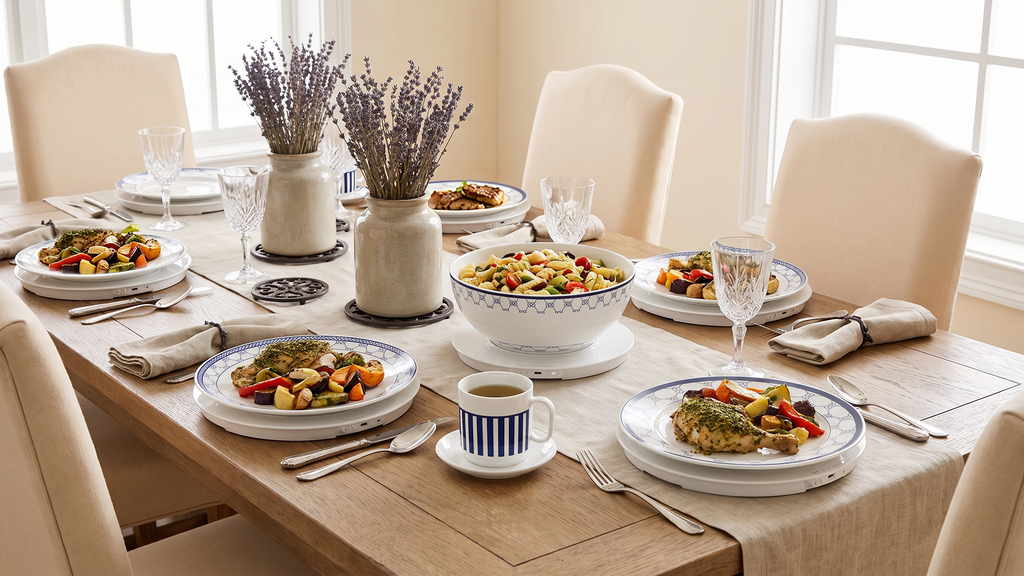
There is a slow drift in every desk lunch. The food is best in the first few minutes, then a message comes in, a call runs long, and by the time the fork returns to the plate the edges have gone quiet. Not cold exactly, not yet, but no longer the meal it was when it left the kitchen. The warming tray is built to hold that first-minute temperature through the whole meal, and three months of daily use showed it does.
Most gadget claims overpromise, and the warming tray is no different on the packaging: words like life-changing and game-changer printed next to a stock photo. What actually matters only shows up after weeks of use. The daily compromise had been smaller than expected, and lunch felt noticeably better once it was gone.
What Actually Improved Over 3 Months
No more cold lunches: the core promise delivered.
Before the warmer, the pattern was always the same. The first bite was right. The middle was acceptable. The last few bites had cooled to something eaten because it was there, not because it tasted good. With the tray holding food at a steady 150°F, every bite stayed the same from the first to the last. Three months in, going back to an unheated desk lunch felt like giving up something small that had quietly become part of the day.
Texture survived: no microwave damage.
Reheated rice gets dry and chewy. Reheated meat gets tough. Reheated soup forms a skin. None of this happens when the food never cools down enough to need reheating. The warming tray does not cook or alter the food, it just holds it at eating temperature. The difference is most noticeable with anything saucy: curries, stews, pasta in sauce. These are the dishes that suffer most from microwaving and benefit most from gentle, sustained warmth.
Energy use was negligible.
The warming tray draws about 20–40 watts on its medium setting. Over two hours of daily use, that is roughly 0.06–0.08 kWh per day, less than a single LED desk lamp. The monthly electricity cost was under one dollar. For anyone wondering whether electric warmers are expensive to run: they are among the most efficient appliances on a desk.
It expanded beyond lunch.
By month two, the warming tray had become a general-purpose heat surface. Morning coffee sat on it to stay at drinking temperature. Afternoon tea stayed warm through a long meeting. Takeout that arrived lukewarm got gently warmed rather than nuked. Once the capability exists, uses for it multiply.
Who Should Buy One and Who Should Not
Buy one if:
- Lunch at a desk goes cold before it is finished, and that bothers you.
- You eat slowly or get distracted by work mid-meal.
- You meal-prep and eat reheated food 3+ times per week.
- You drink hot beverages slowly and hate reheating them.
Skip it if:
- Lunch takes under 10 minutes and is gone before it cools.
- Cold food does not bother you.
- Desk space is already at absolute maximum capacity.
The best kitchen gadget is not the one with the most features. It is the one that gets used every day without thinking about it. After 90 days, the warming tray, or more accurately the warming series, earned its permanent spot on my desk.
If desk lunches going cold is a daily frustration, a temperature-controlled bowl solves it permanently. MiaoLab Thermostatic Tableware Series is crafted from porcelain and maintains a steady 110°F–130°F (43°C–54°C), the ideal range for eating and drinking. No microwave, no reheating, no cold last bites.
-
Veröffentlicht in
electric warming tray, food warmer, hot food, MiaoLab, product review, thermostatic tableware, warm meals