Why Food Tastes Better at the Right Temperature
You carefully prepare dinner, arrange every dish, and finally sit down to eat. Then the phone rings, an email arrives, or your children need help. By the time you return to the table, your meal is no longer warm.
This is a familiar experience for busy families, remote workers, and anyone who prefers to enjoy meals slowly.
Once food loses its ideal serving temperature, the entire dining experience begins to change. Keeping food warm is not only about comfort—it can also help preserve aroma, texture, and the enjoyment of every bite.

Why Food Temperature Matters
Temperature plays an important role in how we experience food. Aroma, texture, consistency, and even perceived sweetness can change as a meal cools.
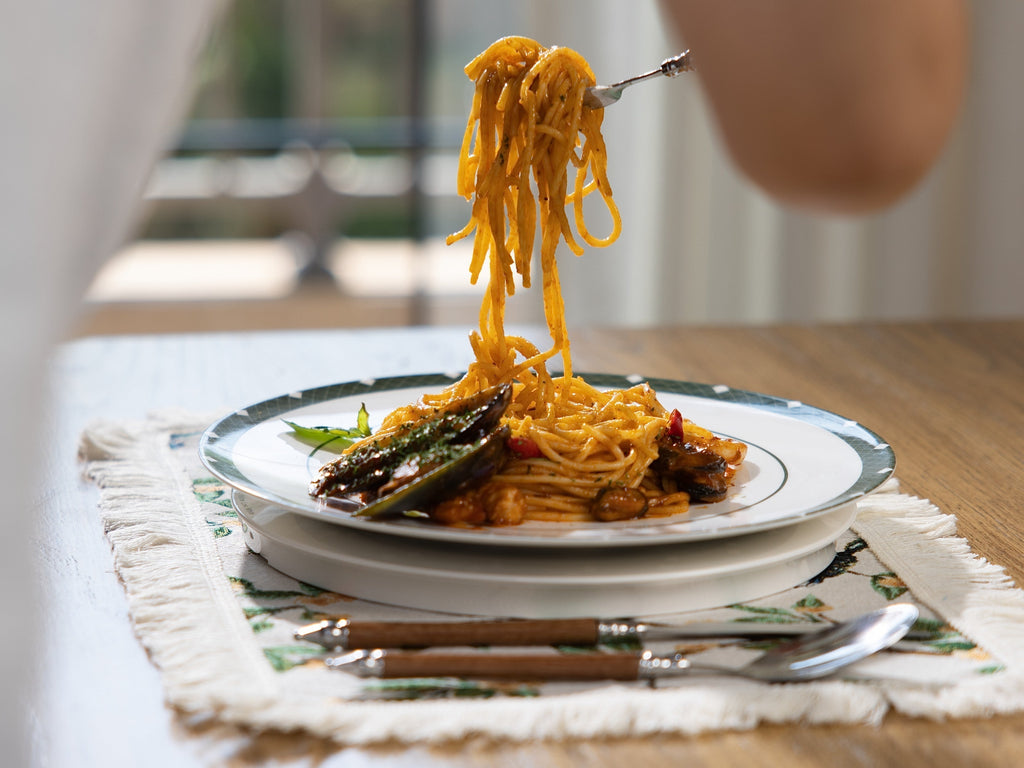
Warm soup feels comforting because its aroma continues to rise with every spoonful. Fresh pasta remains smooth while its sauce stays warm and fluid. Meat can feel more tender and satisfying when it is served warm rather than lukewarm.
As food cools, fats can begin to solidify, sauces may thicken, and textures can become less enjoyable.

Why Food Tastes Different as It Cools
A freshly served meal releases aromas that contribute to the way it tastes. As the temperature drops, those aromas may become less noticeable.
The physical texture of the food can also change. Sauces become thicker, cheese firms up, and oils or fats may begin to solidify.
The ingredients have not changed, but the way you experience them has.
Why Reheating Is Not the Same
Many people rely on a microwave to warm their meals again. While convenient, repeated food reheating can affect moisture and texture.
Rice may become dry, vegetables can lose their freshness, and meat may become tougher. Reheating can restore warmth, but it does not always recreate the original dining experience.
It also interrupts the meal. Instead of staying at the table, you have to carry the food back to the kitchen, wait for it to reheat, and return again.
Keep Food Warm Without Rushing
The best part of a meal should not disappear after only a few minutes.
Whether you are having dinner with your family, working through lunch, or enjoying a long conversation with friends, every bite deserves to remain warm and enjoyable.
MiaoLab Thermostatic Tableware is designed to help keep food warm at a comfortable serving temperature, allowing you to enjoy your meal at your own pace.
No more rushing through soup before it cools. No more returning lukewarm pasta to the microwave. Just a more consistent dining experience from the first bite to the last.
Designed to Maintain Warmth, Not Overheat Food
MiaoLab is not designed to cook cold ingredients or make food excessively hot.
Its purpose is to maintain the warmth of food that has already been prepared and served, helping preserve the experience of a freshly plated meal for longer.
This makes it suitable for foods such as soup, pasta, rice dishes, vegetables, meat, and other meals that are best enjoyed warm.
Designed for Everyday Dining
Modern life is full of interruptions. Parents pause meals to care for children. Professionals answer emails during lunch. Couples and friends enjoy long conversations over dinner.
Your food should not become cold simply because life does not follow a perfect schedule.
MiaoLab fits naturally into everyday dining routines, helping keep your meal ready whenever you are ready to continue eating.
Who Is Thermostatic Tableware For?
Thermostatic tableware can be especially useful for people who regularly eat slowly or experience interruptions during meals.
It can fit naturally into family dinners, home offices, relaxed weekend breakfasts, shared meals, and quiet evenings at home.
It is not about eating faster. It is about allowing food to wait for you.
Frequently Asked Questions
Why does food temperature matter?
Food temperature can affect aroma, texture, consistency, and the way flavors are experienced. As food cools, sauces may thicken, fats may solidify, and aromas can become less noticeable.
Why does food taste different when it gets cold?
As food cools, fewer aromas may be released and its texture can change. These changes can make the same meal feel less flavorful or less enjoyable, even though the ingredients remain the same.
Is reheating food the same as keeping it warm?
No. Reheating raises the temperature after food has already cooled, while keeping food warm helps maintain its serving temperature. Repeated reheating may also affect moisture and texture.
How does thermostatic tableware keep food warm?
Thermostatic tableware uses a temperature-controlled heating base to help maintain the warmth of food after it has been served. It is designed to reduce the need for repeated reheating.
Does MiaoLab Thermostatic Tableware cook food?
No. MiaoLab is designed to maintain the warmth of food that has already been cooked and served. It is not intended to cook raw ingredients or replace an oven, stove, or microwave.
What types of food can be used with thermostatic tableware?
Thermostatic tableware can be useful for meals such as soup, pasta, rice, vegetables, meat, and other dishes that are best enjoyed warm.
Who can benefit from temperature-controlled tableware?
It can be useful for busy parents, remote workers, slow eaters, families, and anyone whose meals are frequently interrupted or become cold before they are finished.
Is thermostatic tableware suitable for everyday use?
Yes. It is designed to fit into everyday routines such as family dinners, working lunches, relaxed breakfasts, and longer meals with friends.
-
Posted in
food warmer, hot food, MiaoLab, thermostatic tableware, warm meals