EUR
EUR USD
USD JPY
JPY GBP
GBP CNY
CNYThe Best Temperature for Every Type of Tea and Why It Matters
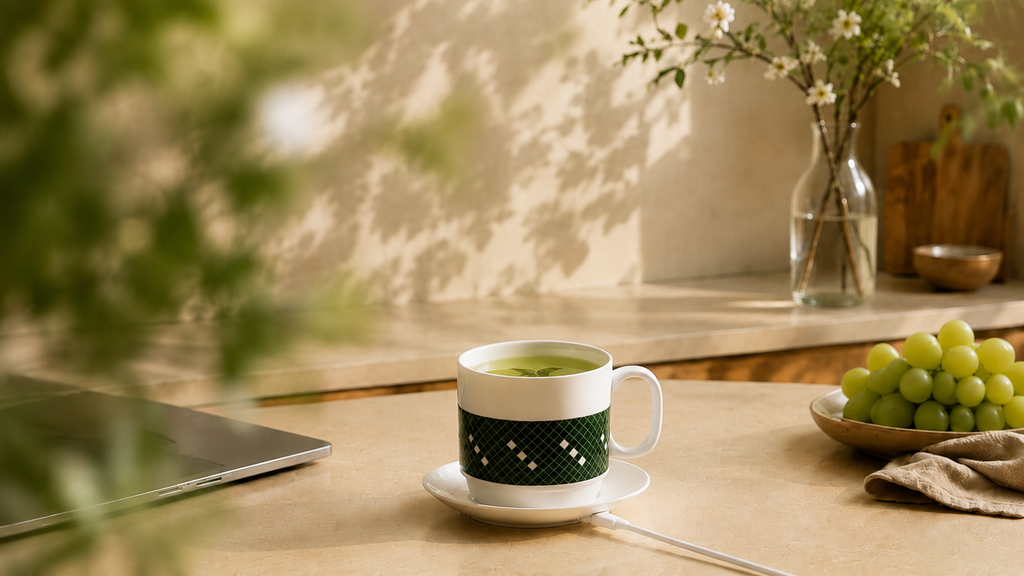
Brewing tea seems simple: add hot water, wait, and drink. Yet the same leaves can produce a smooth, aromatic cup one day and a bitter or flat cup the next.
One of the biggest variables is water temperature. Different tea styles respond differently to heat, and water that is too hot or too cool can change the balance of sweetness, aroma, body, and astringency.
This guide explains the approximate brewing range for green, white, oolong, and black tea, along with practical ways to estimate temperature without a thermometer.
Why Water Temperature Changes the Taste of Tea
Tea leaves contain many water-soluble compounds, including amino acids, sugars, aromatic compounds, catechins, caffeine, and tannin-like polyphenols. Heat affects how quickly these compounds move from the leaves into the water.
Lower temperatures usually produce a gentler extraction. This can help preserve sweetness, floral notes, and a softer mouthfeel in delicate teas.
Higher temperatures extract more quickly and can create a fuller body, but they may also increase bitterness and astringency when used with sensitive leaves or overly long steeping times.
Tea Brewing Temperature Guide
| Tea Type | Approximate Water Temperature | Typical Steep Time | If the Water Is Too Hot | If the Water Is Too Cool |
|---|---|---|---|---|
| Green tea | 160–175°F (71–79°C) | 2–3 minutes | May become bitter or strongly astringent | May taste thin, grassy, or under-extracted |
| White tea | 175–185°F (79–85°C) | 3–5 minutes | Delicate notes may become less noticeable | May taste watery or lack aroma |
| Oolong tea | 180–200°F (82–93°C) | 3–5 minutes | Lighter styles may become harsh | Darker styles may taste weak or incomplete |
| Black tea | 200–212°F (93–100°C) | 3–5 minutes | May become overly tannic if steeped too long | May lack body and depth |
These ranges are useful starting points rather than fixed requirements. Adjust the temperature and steeping time based on the tea, the leaf quantity, and the flavor you prefer.
Green Tea: 160–175°F (71–79°C)
Green tea is generally the most sensitive to high water temperatures. Because the leaves are minimally oxidized, very hot water can quickly emphasize bitterness and astringency.
Japanese green teas such as sencha often perform well toward the lower end of the range. Delicate gyokuro may be brewed even cooler, while many Chinese green teas, including longjing, can tolerate slightly warmer water.
Without a temperature-controlled kettle, bring the water to a boil and allow it to cool before pouring. The required cooling time depends on the kettle, water volume, room temperature, and whether the lid remains open.

White Tea: 175–185°F (79–85°C)
White tea is lightly processed and often valued for subtle floral, honey-like, or fruity notes.
Silver Needle can benefit from gentler water that allows its delicate character to develop gradually. White Peony usually has a broader flavor profile and may respond well to slightly warmer water.
Some compressed or aged white teas can tolerate higher temperatures, so the producer’s brewing recommendation is a useful reference when available.

Oolong Tea: 180–200°F (82–93°C)
Oolong tea covers a wide range of oxidation and roasting styles, so there is no single temperature that suits every variety.
Lighter, greener oolongs such as many Tie Guan Yin styles often benefit from water around 180–190°F (82–88°C). Darker or more heavily roasted oolongs, including many rock teas, may need water closer to 190–200°F (88–93°C) to develop their body and aroma.
When uncertain, begin at the lower end and adjust in later brews. Increasing the temperature slightly is easier than correcting a cup that has already become harsh.

Black Tea: 200–212°F (93–100°C)
Most black teas are fully oxidized and can handle water close to boiling. Assam, Ceylon, and many breakfast blends often need higher temperatures to develop their full body and malty character.
More delicate black teas may benefit from slightly cooler water. First-flush Darjeeling, for example, is often brewed below boiling because its lighter floral character can become overshadowed by aggressive extraction.
If black tea tastes harsh, try shortening the steeping time before lowering the temperature dramatically.
How to Estimate Water Temperature Without a Thermometer
Visual cues can provide a rough estimate of water temperature, although they are less precise than a thermometer or variable-temperature kettle.
- 160–175°F (71–79°C): Small bubbles begin forming on the bottom or sides of the kettle, while the surface remains mostly still.
- 175–185°F (79–85°C): Streams of small bubbles rise and the surface begins moving gently.
- 185–200°F (85–93°C): Larger bubbles rise steadily and the water is visibly active.
- 200–212°F (93–100°C): Large bubbles break the surface continuously as the water approaches or reaches a rolling boil.
You can also boil the water and let it cool in an open kettle. However, exact cooling times vary significantly depending on water volume, kettle material, room temperature, and the shape of the vessel.
Brewing Temperature and Drinking Temperature Are Different
Tea is usually brewed at a higher temperature than most people find comfortable for drinking. After steeping, the tea naturally cools into a more comfortable sipping range.
The challenge is that an ordinary mug continues to lose heat. A cup that begins too hot may reach a pleasant temperature, remain there briefly, and then continue cooling until the final sips feel lukewarm.
A temperature-controlled warming mug does not replace correct brewing. Its role is to help maintain warmth after the tea has been prepared and poured.
MiaoLab is designed to help maintain tea within a comfortable range of approximately 110°F to 130°F, or 43°C to 54°C. Personal preference varies, and hotter brewing temperatures should still be selected according to the tea itself.
Keep your tea warm after brewing:
Explore the MiaoLab Thermostatic Warming Mug →
Final Thoughts
Better tea does not always require more expensive leaves. A small change in water temperature can reveal sweetness, aroma, and texture that were already present.
Use the recommended ranges as a starting point, then adjust based on the tea and your own preference. Once the brew tastes right, maintaining a comfortable drinking temperature can help preserve the experience from the first sip to the last.
Frequently Asked Questions
Why does green tea become bitter?
Green tea may become bitter when the water is too hot, the steeping time is too long, or too many leaves are used. Try lowering the temperature or shortening the steep.
Can I use boiling water for every type of tea?
No. Boiling water works well for many black teas and some darker oolongs, but it may overpower delicate green and white teas.
What temperature should I use for green tea?
A useful starting range is 160–175°F, or 71–79°C. Delicate Japanese teas may benefit from even cooler water.
What temperature should I use for black tea?
Most black teas brew well around 200–212°F, or 93–100°C. Delicate styles such as first-flush Darjeeling may perform better at a lower temperature.
How can I cool boiling water without a thermometer?
Leave the kettle open after boiling and allow the water to cool. Because timing varies by kettle and room conditions, visual bubble cues or a basic thermometer provide more consistent results.
Does steeping longer make tea stronger?
Yes, but it can also increase bitterness and astringency. Using slightly more leaf with a controlled steep time may produce a fuller cup without excessive harshness.
Is brewing temperature the same as drinking temperature?
No. Tea is usually brewed hotter than it is comfortably consumed. After brewing, it cools into a suitable sipping range.
What does a thermostatic warming mug do?
It helps maintain the warmth of tea after brewing. It does not replace a kettle or determine the correct extraction temperature for the tea leaves.
-
Veröffentlicht in
best tea temperature, MiaoLab, self-warming mug, tea brewing, tea science, tea temperature, temperature control mug