EUR
EUR USD
USD JPY
JPY GBP
GBP CNY
CNYHosting Dinner Party Tips: How to Keep Food Warm from Kitchen to Table

A great dinner party rarely goes cold because of the cooking itself.
Most dishes leave the stove or oven at the right temperature. The challenge begins in the space between the kitchen and the table.
One dish finishes early. Another needs a few more minutes. Guests arrive gradually, conversations start, and plates reach the table at different times. By the time everyone sits down, the last plate served is often the first one to lose its warmth.
The problem is not the food. It is the time between preparing a meal and enjoying it.
Keeping food warm at a dinner party is less about rushing the cooking or trying to serve everything at once. It comes down to managing heat loss with better timing, warmer surfaces, and a few simple hosting habits.
Warm the Plates Before Serving
One of the easiest ways to keep dinner warm is also one of the most overlooked: warming the plates.
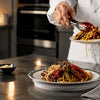
A hot dish placed on a room-temperature plate immediately begins losing heat. The plate absorbs part of the warmth before the food even reaches the table.This is why restaurants often warm their serving plates before dishes are delivered.
At home, the same idea works. Place plates in a low oven for a few minutes, or rinse them with hot water before drying and serving. Starting with a warm surface helps food stay closer to its ideal serving temperature for longer.
For a dinner party, this small step can make one of the biggest differences with almost no extra effort.
Serve Courses in Stages Instead of Everything at Once
When hosting, the instinct is often to bring every dish to the table as soon as possible.But this can actually make food cool faster.
If the main dish and side dishes all leave the kitchen together, some plates will sit untouched while guests settle in and begin conversations. By the time everyone starts eating, the food has already lost some of its original warmth.
A better approach is to stage the meal.
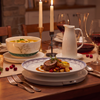
Serve the first course, allow guests to begin, then bring out the next dishes when they are ready. This keeps each plate closer to its best temperature instead of having every dish become slightly lukewarm.
A relaxed dinner does not require perfect synchronization. It requires better pacing.
Hold Finished Dishes in a Low Oven
Not every dish will finish at exactly the right moment.That is where a low oven becomes one of the most useful tools for hosting.
Most ovens have a keep-warm setting around 170°F (77°C), which is far below cooking temperature but warm enough to hold finished dishes before serving.
Covered dishes such as roasted vegetables, casseroles, baked dishes, and bread can often stay warm for 20–30 minutes while you finish preparing the rest of the meal.
For hosts, this creates something valuable: flexibility.Instead of rushing the final steps in the kitchen, you have more time to enjoy the people sitting at your table.
Keep Individual Portions Warm During Longer Meals
Every dinner party has its own rhythm.
Some guests finish quickly. Others take their time, continue conversations, and enjoy each course slowly.The person who eats the slowest is often the one whose food gets cold first.
For individual portions such as soups, stews, oatmeal, or warm drinks, maintaining temperature throughout the meal can make the experience noticeably better.
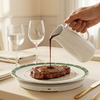
A porcelain vessel that holds food or drinks at a steady 110°F–130°F (43°C–54°C) helps prevent the temperature drop that usually happens during longer conversations.
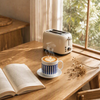
MiaoLab Thermostatic Tableware series keeps warm drinks and suitable foods at a comfortable serving temperature, so the final sip or spoonful can still feel as enjoyable as the first.
Cover Food During the Move from Kitchen to Table
The journey from kitchen to table is a cooling event by itself.
An uncovered dish loses surface heat quickly, especially when moving through cooler rooms, open doorways, or areas with airflow.
A simple cover can help protect that warmth.
Use a lid, foil, or a clean kitchen towel when carrying dishes from the kitchen. It takes only a few seconds but helps preserve the surface heat that matters most when food first arrives.
Small details like this are often what separate a stressful dinner party from a relaxed one.
The Secret to a Warmer Dinner Party Is Better Timing
Keeping food warm at a dinner party is not about keeping every dish hot forever.It is about reducing the moments when heat escapes.
Warm plates. Smarter serving order. A little holding time. Better ways to maintain temperature.These small adjustments allow the host to spend less time worrying about the kitchen and more time enjoying the conversation.
A memorable dinner is not only about what is served.It is also about how long it stays enjoyable.

A good meal deserves more than a few perfect minutes before it starts cooling. The MiaoLab Thermostatic Tableware series helps maintain a comfortable temperature for warm drinks and selected dishes, creating more time to enjoy the moments around the table. Because the best dinner parties are not rushed from kitchen to table. They are meant to be experienced.
-
Posted in
dinner party, food warmer, hosting tips, hot food, MiaoLab, thermostatic tableware, warm meals